
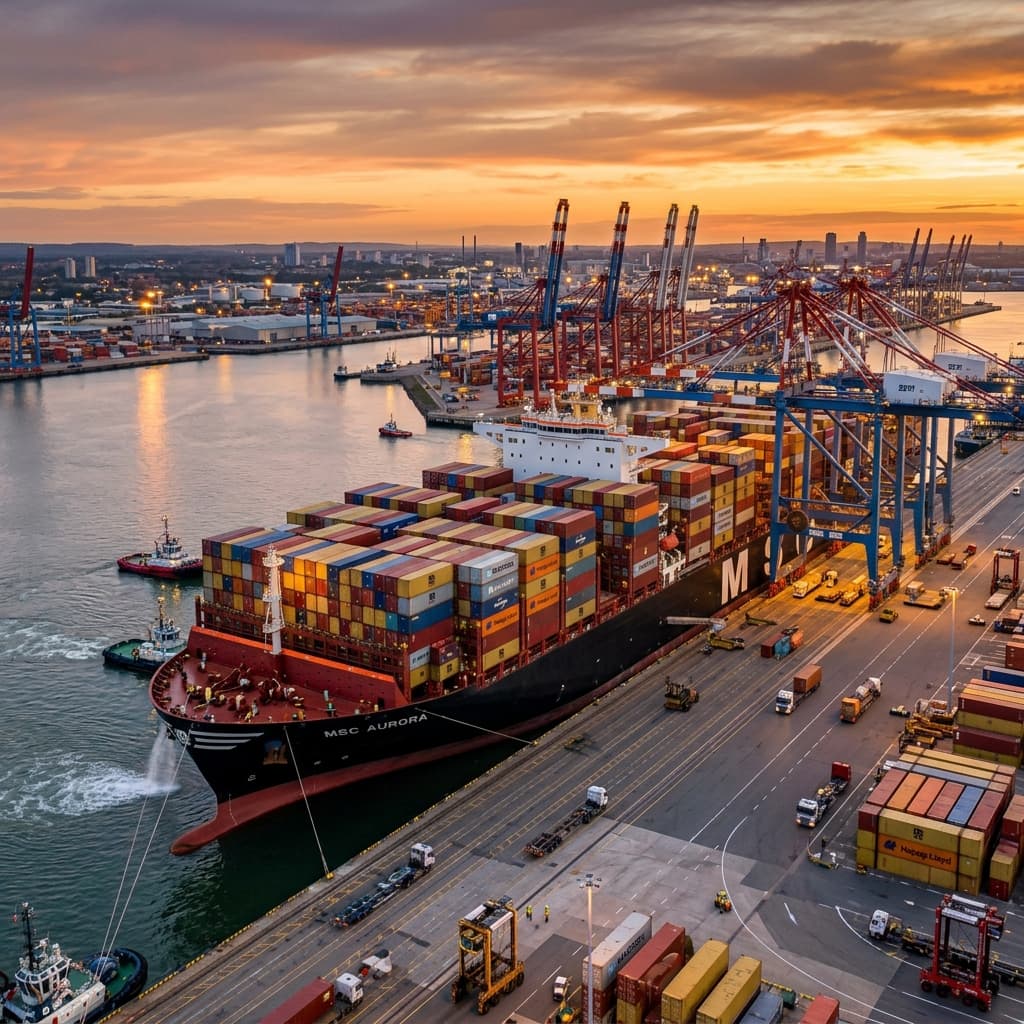
In the rapidly evolving landscape of global logistics, staying ahead of supply chain disruptions and technological advancements is no longer optional—it is a necessity. This article explores the recent shifts in international shipping dynamics and what they mean for major stakeholders.
1. The Impact of Emerging Technologies
Recent implementations of Artificial Intelligence in port operations have reduced turnaround times by an unprecedented 25% across major hubs in Asia and Europe. Predictive analytics allow for better container repositioning, minimizing empty miles and significantly reducing carbon footprints.
Furthermore, automated warehousing solutions equipped with robotics are reshaping fulfillment centers, pushing the boundary of what 'next-day delivery' implies on a global scale.
2. Geopolitical Shifts and Trade Lanes
With changing trade agreements, we are observing a significant 'nearshoring' trend. Companies are restructuring their manufacturing bases closer to consumer markets to mitigate risk. This shift places enormous pressure on intra-regional networks such as Intra-Asia and US-Mexico corridors.
"The supply chain of tomorrow is built on resilience, visibility, and sustainability. The days of solely relying on the cheapest shipping option are over."
3. Sustainability: The Green Horizon
Environmental, Social, and Governance (ESG) mandates are driving carriers to invest heavily in alternative fuels like green methanol and ammonia. Shippers are increasingly demanding carbon-neutral transport options, willing to pay a premium to achieve their net-zero targets by 2030.